Key takeaways
- A professional designer aligns every visual with your business goals and audience.
- A clear brief, agreed deliverables and revision limits prevent costly misunderstandings.
- Check portfolio quality, production knowledge, timelines and ownership terms before hiring.
- Consistent branding across print and digital channels builds trust in the Kenyan market.
In this guide
- What professional graphic design services in Kenya should deliver
- How graphic design services Kenya projects usually work
- What affects the cost of graphic design services in Kenya?
- Choosing a designer for your Kenyan audience
- Questions to ask before you agree
- Common mistakes businesses can avoid
- Making your design investment work harder
- What to expect from a professional relationship
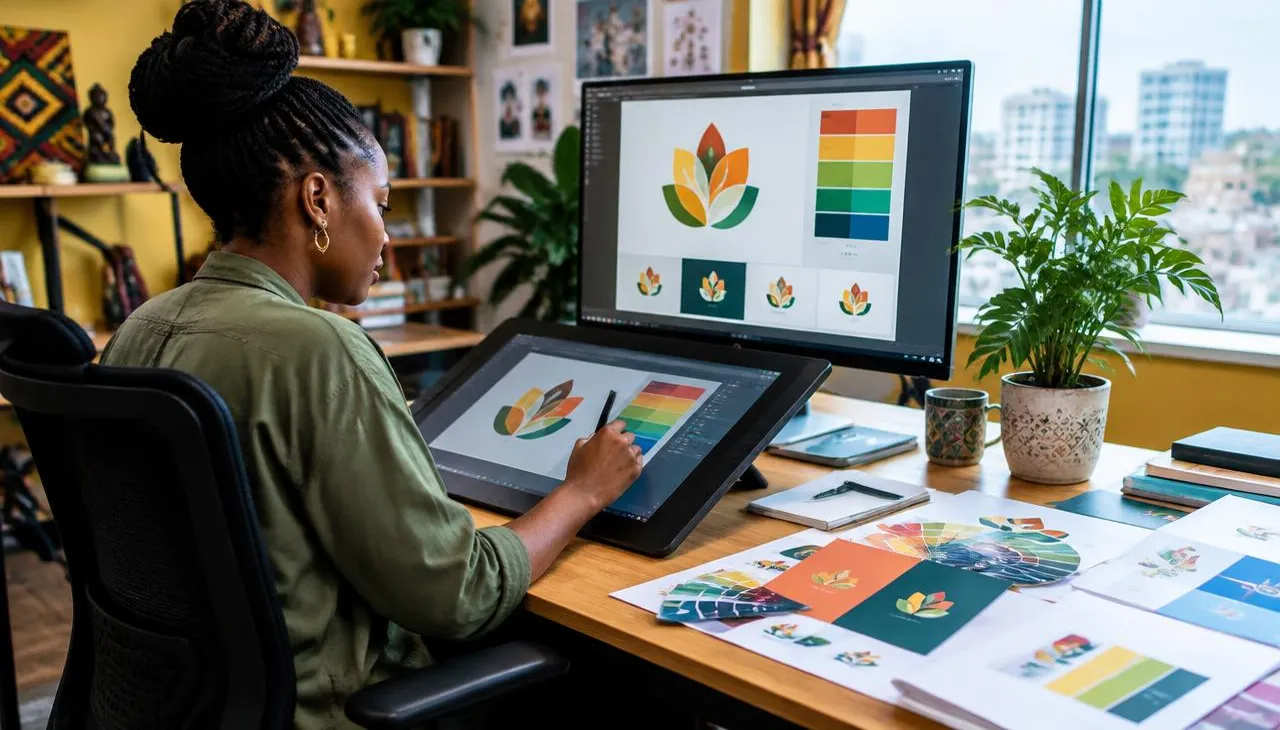
Choosing graphic design services Kenya businesses can rely on is about much more than finding someone who can make an attractive logo. Good design makes your offer easier to understand, helps customers recognise your business and gives your team a consistent way to communicate. Whether you run a Nairobi consultancy, a Mombasa hotel, a Kisumu retailer or a growing online shop, a professional designer should combine creative skill with a clear understanding of your goals.
Before you commission a project, it helps to know what a professional process looks like, what information to prepare, how pricing is shaped and what files you should receive. This guide explains what to expect and how to make a sound decision for your business.
What professional graphic design services in Kenya should deliver
The best work starts with the business problem, not with a colour palette. A designer should ask who you want to reach, what you sell, how customers currently find you and what action you want them to take. The answers guide decisions about tone, layout, typography and imagery.
Depending on your needs, a design engagement may include:
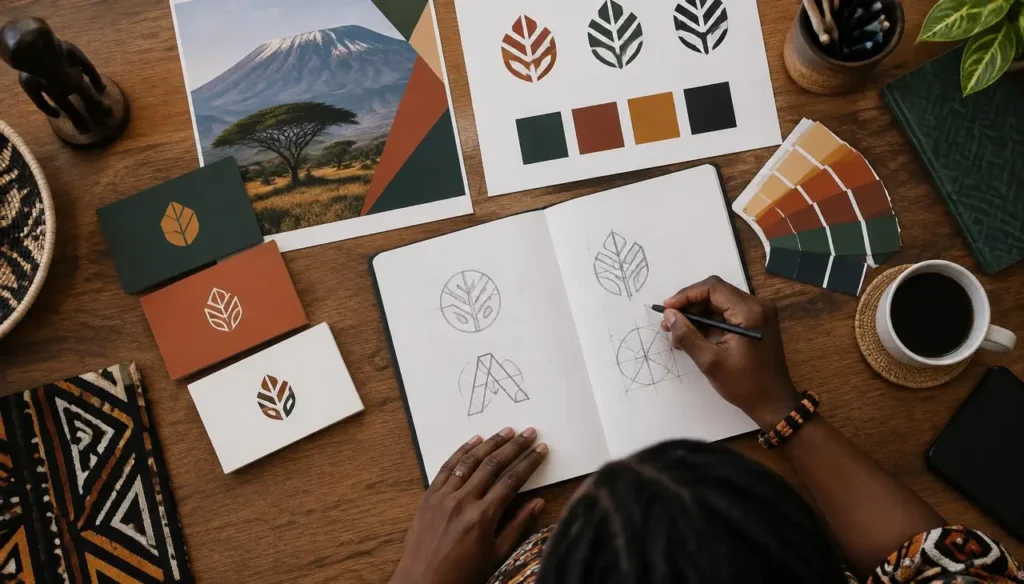
- Logo and visual identity: a primary logo, variations, colour palette, type choices and practical usage guidance.
- Marketing collateral: brochures, company profiles, flyers, posters, presentation decks and event materials.
- Digital graphics: social media templates, website banners, display adverts and email graphics.
- Packaging and signage: labels, product packaging, shop graphics and outdoor signage prepared for production.
- Brand guidance: a concise reference that helps staff and suppliers apply the identity consistently.
Not every business needs all of these. A startup may first need a logo system and a company profile, while an established retailer may need promotional artwork that fits an existing identity. A designer should recommend a scope that matches your priorities rather than pushing unnecessary items.
How graphic design services Kenya projects usually work
1. Discovery and a useful brief
Expect an initial conversation about your organisation, customers, competitors, existing materials and deadlines. Bring examples you like and dislike, but explain why: perhaps a layout is easy to read or a colour feels appropriate for your sector. Share your logo files, product details, brand guidelines and any mandatory wording. The more specific the brief, the fewer assumptions the designer has to make.
2. Concept development
The designer should explore a small number of purposeful directions, not produce endless unrelated options. Concepts should be explained in terms of audience and intended use. For example, a financial services brand may need a restrained, legible identity that works on documents, while a children’s activity brand may benefit from a more energetic approach. Feedback at this stage has the greatest influence on the result.
3. Review and refinement
Agree how many revision rounds are included and who will consolidate feedback on your side. Specific comments such as “increase the heading size for mobile readability” are more useful than “make it pop”. Extra rounds, new concepts or changes to the agreed brief may affect the fee and schedule, so put the process in writing.
4. Production and handover
Final artwork should be supplied in formats suited to its intended use. Digital assets commonly need optimised PNG, JPG or SVG versions; professional printing may require high-resolution PDF files, correct bleed and colour settings. Ask whether editable source files are included, how fonts and licensed images are handled, and what usage rights you receive. Do not assume that payment automatically includes every source file or every possible use.
What affects the cost of graphic design services in Kenya?
There is no single reliable fee for every design job. Price reflects the time and expertise required, the number of deliverables, research, production complexity, urgency and the rights or source files included. A simple social post and a complete identity system are not equivalent purchases. The indicative ranges below are planning estimates, not fixed market tariffs; ask providers to specify exactly what is included.
| Project type | Typical scope | Indicative budget (KES) |
|---|---|---|
| Single social media graphic | One approved design, one format | 2,000–8,000 |
| Logo design | Discovery, concepts, refinement and agreed final files | 15,000–60,000 |
| Basic brand identity | Logo system, colours, type and short usage guide | 35,000–150,000 |
| Company profile | Copy and content supplied; design and layout | 25,000–120,000 |
| Brochure or catalogue | Multi-page layout, depending on length and complexity | 30,000–180,000+ |
Ask whether VAT, printing, photography, copywriting, stock imagery and delivery are included. For print work, obtain a separate production estimate and confirm quantities, paper, finishing and delivery location. A Nairobi print schedule and a delivery to a branch in Kisumu may have different logistics. A written proposal makes comparisons fairer than a single headline figure.
Choosing a designer for your Kenyan audience
Review a portfolio for relevance and consistency, not just visual polish. Look for examples that solve similar communication challenges and ask what the designer contributed. A strong portfolio should show work applied in context, such as a logo on packaging or a campaign across several formats. If you serve customers across Kenya, ask how the work will remain clear on a small phone screen, in print and in locations with varied viewing conditions.
Local context matters. A designer should be comfortable considering how language, location and customer expectations shape communication. A business in Nairobi’s competitive professional services market may need a different tone from a coastal hospitality brand. If your materials describe prices, claims or regulated services, have the relevant content checked by your own subject-matter or compliance adviser. Design is not a substitute for legal review.
For a website or digital campaign, design should fit the user journey and work on mobile. Ask how graphics will be handed over to your web team and whether image sizes and formats will be optimised. If you need a website alongside brand work, explore web design and development as part of a joined-up project. Consistent design and messaging also support digital marketing and SEO.
Questions to ask before you agree
- What exact deliverables will I receive, and in which formats?
- How many concepts and revision rounds are included?
- What is the timeline, and what do you need from my team to meet it?
- Are printing, photography, copywriting and third-party licences included?
- What usage rights are granted, and are editable source files part of the handover?
- Who is the point of contact for feedback and approvals?
These questions are especially important when several stakeholders are involved. Nominate one decision-maker, agree approval dates and keep feedback in one document or email thread. This protects the schedule and prevents a finished design from being pulled in conflicting directions.
Common mistakes businesses can avoid
Choosing on price alone: a low initial fee may not include revisions, source files or production preparation. Compare scope and rights as well as cost.
Starting without a clear objective: “make us look modern” is difficult to evaluate. Define the audience and intended outcome, such as improving product recognition or making a service brochure easier to scan.
Using one file everywhere: a graphic made for a social post may not be suitable for a large sign or a printed catalogue. Request the correct versions for each channel.
Ignoring consistency after launch: a new identity works best when staff apply it to documents, uniforms, social media and customer communications. Keep the guidelines accessible and appoint someone to oversee updates.
Making your design investment work harder
Plan for reuse. A well-prepared identity can include flexible templates that help your team create routine communications without improvising the brand each time. Keep final files in a shared, backed-up location and label them clearly. Record which logo variation and colours are approved, and ensure suppliers receive production-ready artwork rather than screenshots.
For organisations serving customers across Kenya, accessibility and legibility are practical business considerations. Use sufficient contrast, sensible type sizes and concise copy. Test digital graphics on a phone and ask someone unfamiliar with the design to locate the key information. A design that looks impressive on a large office monitor but is difficult to read on a handset is not doing its job.
For a new business, the order of work matters. Start with a clear identity and essential customer-facing materials, then extend the system as the business grows. An established company may first need to audit inconsistent materials and prioritise the most visible customer touchpoints. A professional designer should help you make these choices and explain trade-offs.
What to expect from a professional relationship
Professionalism is visible in communication as well as the finished artwork. You should receive a clear proposal, realistic milestones, timely updates and an organised handover. The designer should explain decisions without jargon, welcome relevant feedback and flag risks early. You, in turn, should provide accurate information, respond within agreed timeframes and respect the scope of the work.
Good design is a business tool: it makes your offer clearer, supports recognition and helps your organisation look credible wherever customers encounter it. When evaluating graphic design services Kenya providers, look for a thoughtful process, relevant experience and transparent terms—not a promise of instant success. The right partner will make the work fit your audience, channels and budget.
Explore Permalink Business Ltd’s graphic design and branding services, view the project portfolio, or request a tailored quote for your business.
Permalink Business Ltd. helps Kenyan businesses with websites, software, branding, networking and security. Request a free quote today.
Frequently asked questions
What do graphic design services in Kenya usually include?
They may cover logos, brand identity, social media graphics, brochures, packaging and print-ready artwork, depending on the agreed scope.
How much do graphic design services cost in Kenya?
Costs depend on complexity, deliverables, research and revisions; request an itemised quote rather than comparing a logo price alone.
How long does a design project take?
A focused project can take days, while a full identity or multi-item campaign may take several weeks.
Will I own the final design files?
Confirm usage rights, final file formats and whether editable source files are included in your written agreement.
How can I choose a designer for my business?
Review relevant work, ask about process and timelines, and choose someone who listens to your audience and business objectives.

A Nairobi IT company helping Kenyan businesses grow with websites, software, marketing, networking and security. Our guides are written from real client projects.