
Key takeaways
- Every export crop needs a registered business, a KRA PIN and a licence from the relevant Agriculture and Food Authority directorate or the Tea Board of Kenya.
- KEPHIS phytosanitary certificates, certificates of origin and buyer certifications such as GlobalG.A.P. open premium markets.
- Tea and coffee are mostly sold through the Mombasa Tea Auction and the Nairobi Coffee Exchange, with licensed direct sales growing.
- Miraa is legal to export only to countries that allow it, mainly Somalia; it is banned in the UK, most of Europe and North America.
In this guide
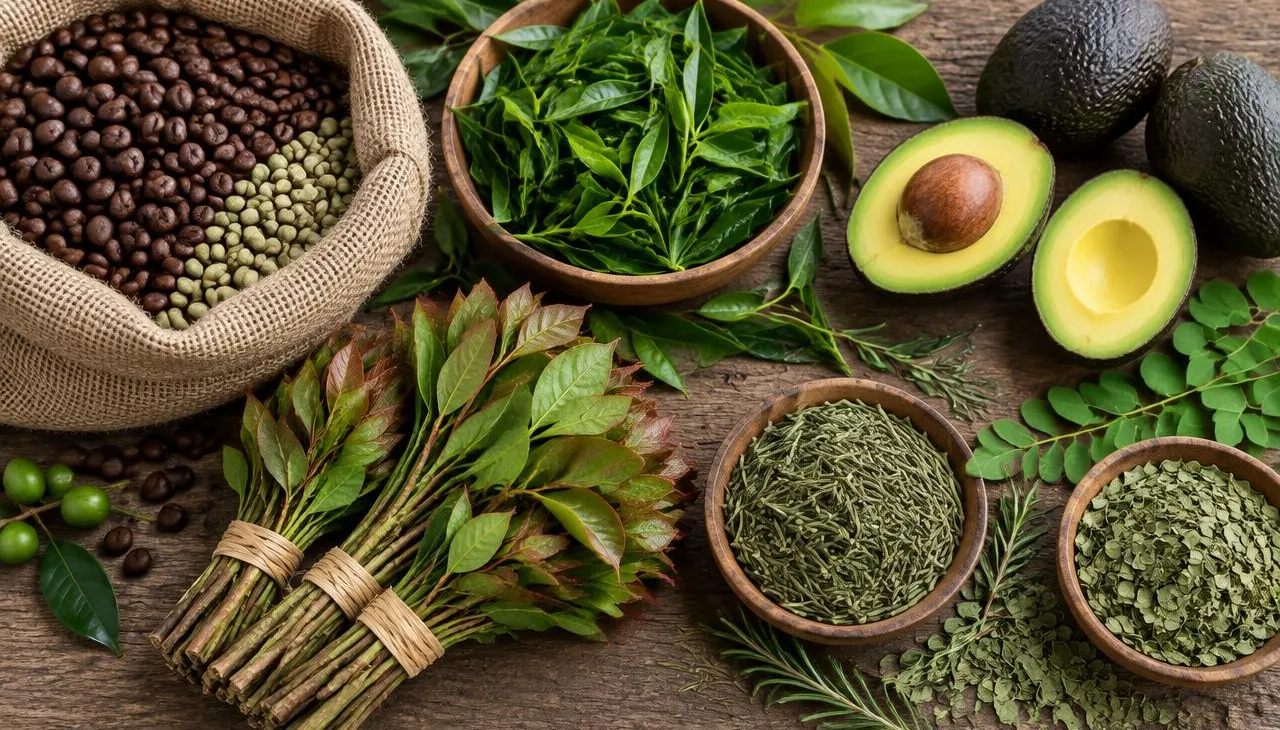
Kenya’s farms produce some of the world’s most sought-after crops. Kenyan tea is drunk from Karachi to London, Kenyan AA coffee commands premium prices in Europe and Asia, Kenyan Hass avocados fill supermarket shelves in Europe and the Middle East, and fresh herbs fly out of JKIA every night. Miraa is a major earner for Meru and Embu farmers. This guide explains how to export each crop, which licences you need and where the best markets are.
Steps every Kenyan exporter must take
- Register a business (preferably a limited company) and get a KRA PIN.
- Get the right export licence from the regulator for your crop: the relevant directorate of the Agriculture and Food Authority (AFA), or the Tea Board of Kenya for tea.
- Register with KEPHIS (Kenya Plant Health Inspectorate Service), which inspects produce and issues the phytosanitary certificate that most countries require.
- Get a certificate of origin: from KRA for preferential trade under the EAC, COMESA, AfCFTA and the Kenya–EU and Kenya–UK Economic Partnership Agreements, or from the Kenya National Chamber of Commerce and Industry for ordinary shipments.
- Lodge export documents through the KenTrade Single Window and clear the goods with KRA customs.
- Meet buyer standards such as GlobalG.A.P., HACCP, BRCGS, organic, Fairtrade or Rainforest Alliance certification, and the maximum residue limits (MRLs) for pesticides in the destination market.
- Sign clear contracts covering quality, quantity, Incoterms (FOB, CIF, CFR), payment method and dispute resolution. Use letters of credit or secure bank payments with new buyers.
The Kenya Export Promotion and Brand Agency, the Fresh Produce Exporters Association of Kenya (FPEAK) and the Kenya Development Corporation can help with market information, trade fairs and buyer contacts.
1. Coffee
Kenya grows mainly washed Arabica coffee on the slopes of Mount Kenya, the Aberdares, Mount Elgon and in Kiambu, Murang’a, Nyeri, Kirinyaga, Embu and Meru. It is famous for bright acidity and fruity flavours and is graded by bean size and quality: AA, AB, PB, C, E, TT and T.
How coffee is exported
- Coffee is processed at factories (wet mills) run by cooperatives or estates, then milled and graded by licensed millers.
- It is sold either through the Nairobi Coffee Exchange auction, where licensed dealers bid, or through direct sales by growers and marketing agents to overseas roasters.
- Exporters need a coffee dealer’s or marketing agent’s licence from the coffee regulator and must register each export contract.
- Roasted, packaged and branded coffee earns far more than green beans and can be sold online to consumers abroad.
Target markets for Kenyan coffee
Germany, the United States, Belgium, South Korea, Sweden, the United Kingdom, Japan, Australia and Norway are major buyers, with fast growth in China, Saudi Arabia, the UAE and other Middle Eastern markets. Specialty roasters value traceable, single-origin lots with cupping scores.
2. Tea
Kenya is one of the world’s leading exporters of black tea, grown in Kericho, Bomet, Nandi, Nyamira, Kisii, Murang’a, Nyeri, Kiambu, Meru and other highland counties. Most Kenyan tea is CTC black tea from smallholders served by KTDA-managed factories and from large estates. Specialty teas such as orthodox, green, white and purple tea are a growing niche.
How tea is exported
- Most tea is sold through the Mombasa Tea Auction, run by the East African Tea Trade Association, where licensed buyers bid for lots.
- Buyers, brokers, packers and exporters must be licensed and registered by the Tea Board of Kenya under the Tea Act, 2020.
- Value-added tea (packaged, flavoured, specialty or branded) can be sold directly to buyers under licence and earns better margins than bulk tea.
Target markets for Kenyan tea
Pakistan is the largest buyer, followed by Egypt, the United Kingdom, the UAE, Russia, Sudan, Kazakhstan, Yemen and Iran. Specialty and packaged teas find buyers in Europe, North America, China and the Gulf.
3. Avocados
Kenya is Africa’s leading avocado exporter. The main export variety is Hass, with Fuerte also traded. Major growing areas include Murang’a, Kiambu, Nyeri, Meru, Embu, Kisii, Nandi, Trans Nzoia, Elgeyo Marakwet and Uasin Gishu.
How avocados are exported
- Exporters need a licence from the Horticultural Crops Directorate of AFA, and farms and packhouses must be registered.
- Fruit must reach the required dry matter (maturity) before harvest. The government sometimes suspends exports in the off-season to stop immature fruit damaging Kenya’s reputation.
- Most fresh avocados travel by sea in refrigerated containers from Mombasa; air freight is used for premium or urgent orders.
- GlobalG.A.P. certification, traceability and compliance with pesticide limits are essential for Europe.
- Avocado oil, frozen avocado and guacamole are value-added products with growing demand.
Target markets for Kenyan avocados
The Netherlands (as a gateway to Europe), France, Spain, the UAE, Saudi Arabia, Russia, Egypt, Qatar and Kuwait are key buyers. Kenya gained access to China for frozen avocados and later fresh avocados, with registered orchards and packhouses, and India is another emerging market.
4. Miraa (khat)
Miraa is grown mainly in Meru County (especially Igembe and Tigania) and in Embu, where muguka is popular. It is a legal, recognised crop in Kenya regulated by AFA, and it supports thousands of farmers, traders and transporters.
How miraa is exported
- Exporters must be licensed and comply with AFA and KEPHIS requirements.
- Miraa loses quality within about 48 hours of harvest, so it is packed fast and flown out daily, mostly from Wilson Airport and JKIA.
- Reliable cargo space, cold chain and fast payment arrangements are critical.
Target markets and legal limits
The main legal market is Somalia, including Somaliland, with smaller volumes to other places where it remains legal. Miraa is banned in the United Kingdom, the Netherlands and most of Europe, the United States, Canada, Tanzania and many other countries. Always confirm the law in the destination country before shipping: exporting to a country where it is banned is drug trafficking and carries severe penalties.
5. Herbs and spices
Kenya exports fresh culinary herbs such as basil, mint, rosemary, thyme, chives, coriander (dhania), tarragon, sage and dill, as well as dried herbs, spices, herbal teas and medicinal plants such as moringa, aloe and stevia. Herbs are grown under irrigation around Naivasha, Thika, Kiambu, Nyeri, Kajiado and Machakos.
How herbs are exported
- Fresh herbs need a Horticultural Crops Directorate export licence, KEPHIS inspection and phytosanitary certificates, and usually GlobalG.A.P.
- They are highly perishable, so they are cooled immediately after harvest and flown out from JKIA.
- Dried herbs and herbal teas need food safety certification and correct labelling; organic certification adds value.
- Some wild medicinal plants, such as Prunus africana, are protected under CITES and need extra permits.
Target markets for Kenyan herbs
The United Kingdom, the Netherlands, Germany, France and Belgium are the main markets for fresh herbs, alongside the UAE, Saudi Arabia and Qatar. Dried and organic herbs, moringa and herbal teas sell to health-food buyers in Europe, North America and Asia.
Tips for success
- Start with one crop and one market, and learn its rules thoroughly.
- Work with outgrower farmers under contract to guarantee volume and quality.
- Invest in cold chain, traceability and record keeping from farm to buyer.
- Use trade fairs such as Fruit Logistica (Berlin), Gulfood (Dubai) and SIAL (Paris) to meet buyers.
- Build an export-ready website showing certifications, products and contact details for international buyers.
Conclusion
Coffee, tea, avocados, miraa and herbs can all be profitable exports when you get the licences right, meet buyer standards and target the right markets. Exporters can track farms, outgrowers, stock and shipments with a farm management system, reach international buyers with a professional website, and see our solutions for agriculture. If you also import, read our guide on how to import from China to Kenya.
Permalink Business Ltd. helps Kenyan businesses with websites, software, branding, networking and security. Request a free quote today.
Frequently asked questions
Who are the biggest buyers of Kenyan tea?
Pakistan, Egypt, the United Kingdom, the United Arab Emirates, Russia and Sudan are among the largest markets for Kenyan black tea.
Where is Kenyan coffee exported?
Major buyers include Germany, the United States, Belgium, South Korea, Sweden, the United Kingdom and Japan, with growing demand from China and the Middle East.
Can I export avocados to China?
Yes. Kenya gained access for fresh avocados in 2022, but orchards and packhouses must be registered and approved under the agreed protocol, and fruit must meet strict pest and quality rules.
Is it legal to export miraa from Kenya?
Miraa is a legal, recognised crop in Kenya and can be exported with the right licences, but only to countries where it is legal. It is banned in the UK, the Netherlands, the USA, Canada, Tanzania and many other countries.
Which herbs sell best abroad?
Fresh culinary herbs such as basil, mint, rosemary, chives and coriander sell well in Europe and the Middle East, while dried and organic herbs, moringa and herbal teas have growing niche demand.

A Nairobi IT company helping Kenyan businesses grow with websites, software, marketing, networking and security. Our guides are written from real client projects.