Key takeaways
- Information literacy is the ability to find, evaluate, use and share information responsibly.
- Check the source, date, author and evidence before believing or forwarding anything.
- Fake news, scams and AI-generated content spread fastest on WhatsApp and social media.
- Libraries, schools and employers in East Africa all have a role in building these skills.
In this guide
East Africa is one of the fastest-growing mobile internet regions in the world. Millions of people in Kenya, Uganda, Tanzania, Rwanda, Burundi, South Sudan and beyond now receive news, health advice, job offers and financial tips on their phones every day. But more information does not always mean better information. Information literacy is the skill that helps us tell the difference.
What is information literacy?
Information literacy is the ability to:
- Recognise when you need information.
- Find it efficiently using the right sources.
- Evaluate whether it is accurate, current and unbiased.
- Use it effectively to make decisions or create new work.
- Share it ethically, respecting privacy and copyright.
Why it matters in East Africa
- Misinformation spreads fast on WhatsApp groups, Facebook, TikTok and X, especially around elections and health issues.
- Scams target mobile money users with fake promotions, loan offers and job adverts.
- Education and work increasingly rely on online research, e-learning and digital government services.
- AI-generated content—fake images, voices and articles—is becoming harder to spot.
How to evaluate information: the CRAAP test
- Currency: When was it published or updated?
- Relevance: Does it actually answer your question?
- Authority: Who wrote it? Are they qualified? Is it an official source?
- Accuracy: Is it supported by evidence? Do other trusted sources agree?
- Purpose: Is it trying to inform, sell, persuade or provoke?
Practical habits for everyday life
- Pause before forwarding. Urgent, emotional messages are a warning sign.
- Check official sources such as Ministry of Health, KRA, eCitizen or national statistics bureaus.
- Use fact-checkers like PesaCheck and Africa Check.
- Reverse-search images with Google Lens to see where a photo really came from.
- Read beyond the headline and look at the date—old stories are often recycled.
- Protect your data. Never share PINs, ID numbers or OTPs in response to a message.
Using AI tools responsibly
AI chatbots can summarise and explain, but they can also be confidently wrong. Verify facts, figures and references they provide, and disclose AI use where your school or employer requires it.
The role of schools, libraries and employers
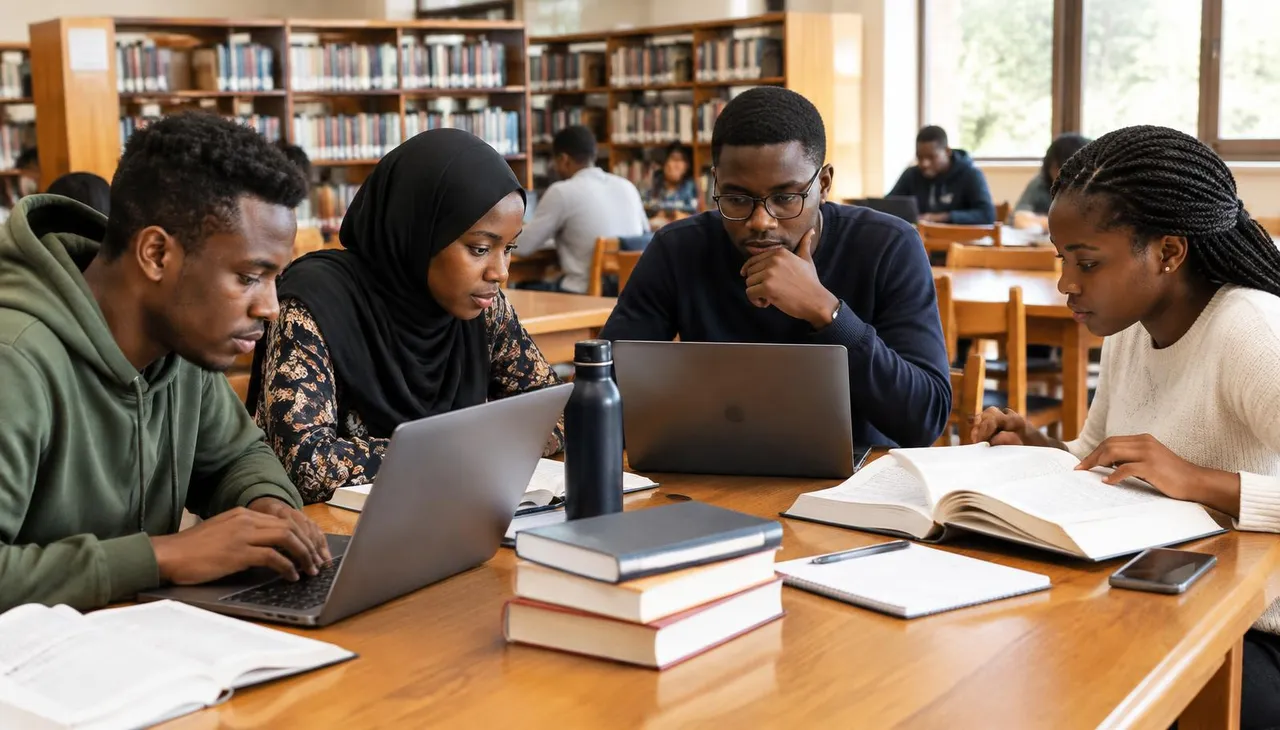
Teachers can build research and source-checking skills into the CBC and university curricula. Libraries—including the Kenya National Library Service and university libraries—offer training and trusted databases. Employers can include information and cyber awareness in staff onboarding. Organisations can also deliver this training at scale through a learning management system.
Conclusion
Information literacy is a life skill for the digital age. When East Africans question sources, verify before sharing and use information wisely, we build healthier communities, stronger businesses and better democracies. Learn how to stay safe online in our guide to protecting your computers from cyber threats.
Permalink Business Ltd. helps Kenyan businesses with websites, software, branding, networking and security. Request a free quote today.
Frequently asked questions
What is information literacy?
It is the set of skills that lets a person recognise when information is needed, find it, judge whether it is reliable and use it ethically.
Why does information literacy matter in East Africa?
Rapid mobile internet growth means millions now receive news, health, financial and political information online, much of it unverified.
How can I tell if news is fake?
Check whether trusted outlets report it, look for the original source and date, examine images with a reverse image search, and be wary of urgent or emotional messages.
Is information literacy the same as digital literacy?
They overlap. Digital literacy is about using devices and tools; information literacy is about judging and using the information they deliver.
Where can I learn more?
Public and university libraries, the Kenya National Library Service, fact-checking organisations such as PesaCheck and Africa Check, and free online courses.

A Nairobi IT company helping Kenyan businesses grow with websites, software, marketing, networking and security. Our guides are written from real client projects.