Key takeaways
- Kenya produces millions of hides and skins every year, but most value is lost when they are exported raw or as semi-processed wet blue.
- Government policy, including a high export duty on raw hides and skins and the Kenya Leather Industrial Park at Kenanie, aims to grow local finished leather and leather goods.
- Tanneries must meet NEMA licensing and effluent rules because tanning uses chemicals such as chromium and large volumes of water.
- Opportunities include school and safety shoes, bags, belts, upholstery and exports under the EAC, COMESA and AfCFTA.
In this guide
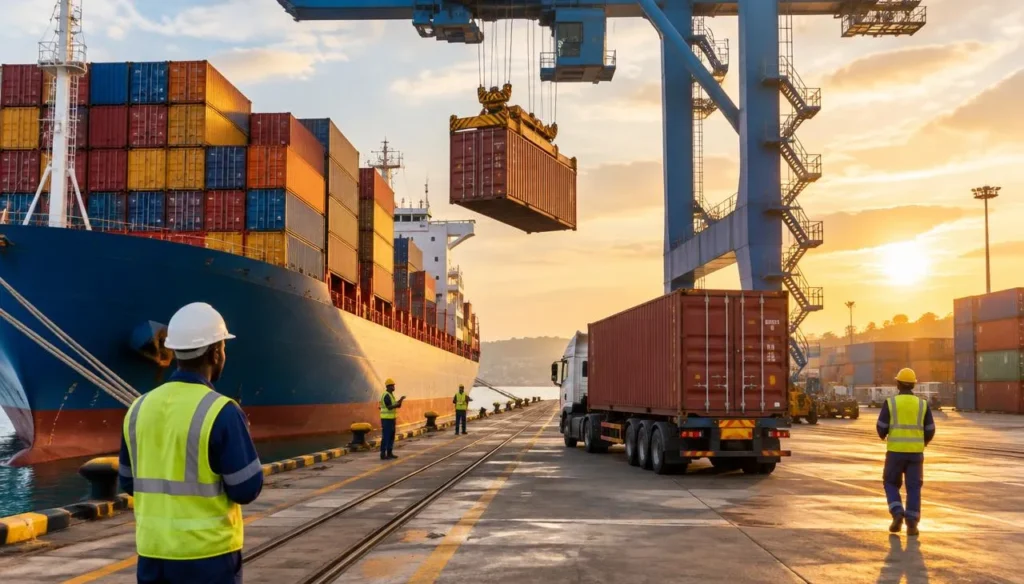
Kenya has one of the largest livestock populations in Africa, producing millions of cattle hides and goat and sheep skins every year. Yet much of this value leaves the country raw or semi-processed, while Kenyans buy imported shoes and bags. Tanneries are the bridge between the slaughterhouse and a thriving leather industry. This guide explains how the sector works, the main players, the rules and the opportunities.
What does a tannery do?
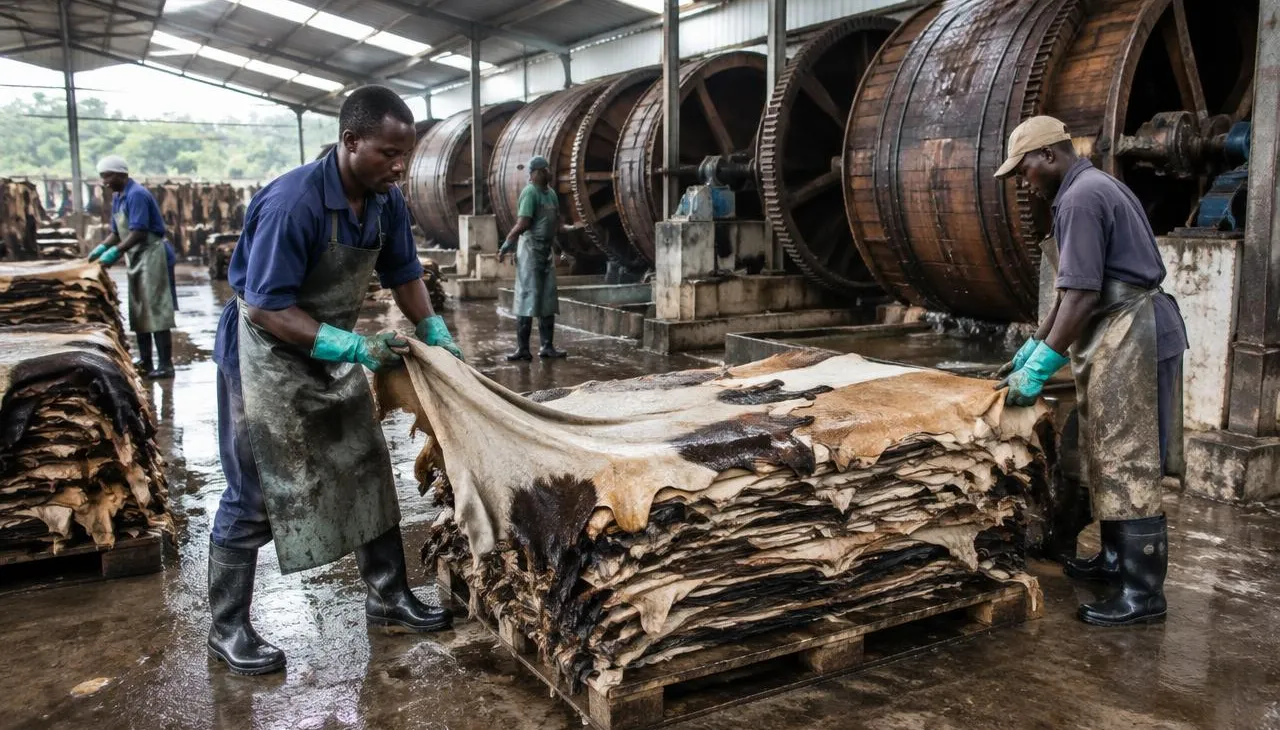
A tannery turns raw animal hides and skins into stable, durable leather. The main stages are:
- Preservation: hides are salted or dried soon after slaughter to stop decay.
- Beamhouse: soaking, liming and dehairing, then fleshing to remove flesh and fat.
- Tanning: usually with chromium salts, which produces wet blue leather; vegetable tanning with tree barks such as wattle and mimosa produces wet white or brown leather.
- Crusting: splitting, shaving, re-tanning, dyeing and fat-liquoring to give softness and colour.
- Finishing: drying, coating, embossing and grading into finished leather ready for shoes, bags, belts, upholstery and garments.
Each stage adds value. Finished leather is worth several times as much as raw hides, and leather products are worth many times more again.
Tanneries and leather players in Kenya
Kenya has a few dozen tanneries, mostly concentrated around Nairobi, Athi River, Thika, Nakuru, Nyeri, Kirinyaga and Eldoret. Names associated with the sector include:
- Sagana Tannery, central Kenya
- Alpharama Ltd, Athi River
- Bata Shoe Company, Limuru, which tans leather for its own footwear
- Leather Industries of Kenya, Thika
- Nakuru Tanners, Nakuru
- Kenya Shoe and Leather Factory, Eldoret, run under the Ministry of Defence to make boots and shoes for the disciplined services
Ownership and operating status change over time, so confirm details directly before you buy or partner. Thousands of small artisans also make leather goods in clusters such as Kariokor Market in Nairobi and in Machakos, Kiambu, Nakuru and Kisumu.
Policy and support for the leather sector
- Kenya Leather Development Council (KLDC): the state agency that promotes, coordinates and trains the leather value chain.
- Kenya Leather Industrial Park, Kenanie (Machakos County): a dedicated park with shared effluent treatment and infrastructure for tanneries and leather manufacturers.
- Export duty on raw hides and skins: a high export duty is charged to discourage raw exports and keep hides for local tanning.
- Buy Kenya Build Kenya and government procurement: uniforms, boots and school shoes for public institutions create local demand.
- Regional and continental trade: EAC, COMESA and the African Continental Free Trade Area (AfCFTA) open wider markets for Kenyan leather and leather goods.
Environmental rules for tanneries
Tanning uses large volumes of water and chemicals such as lime, sulphides and chromium. Untreated effluent pollutes rivers and harms communities, so tanneries must:
- Obtain an environmental impact assessment licence from NEMA before building or expanding.
- Treat wastewater and meet NEMA effluent discharge standards and county requirements.
- Manage solid waste such as fleshings, trimmings and chrome shavings safely; some can be turned into gelatin, glue, fertiliser or biogas.
- Protect workers with proper ventilation, protective clothing and chemical handling procedures under occupational safety law.
Cleaner technologies, chrome recovery and vegetable or chrome-free tanning help meet the sustainability demands of international buyers.
Challenges facing Kenyan tanneries
- Poor hide quality caused by hot-iron branding, tick and scratch damage, poor flaying and slow preservation.
- Competition from imported new and second-hand shoes and synthetic materials.
- High energy, chemical and water costs, and the expense of effluent treatment.
- Limited finance for modern machinery and working capital.
- Weak links between slaughterhouses, hide traders, tanneries and manufacturers.
Opportunities in leather
- Footwear: school shoes, safety boots, uniform boots and fashion shoes for a growing population.
- Bags, belts, wallets and accessories for local, tourist and online export markets.
- Upholstery and car seats for furniture makers and vehicle assemblers.
- Hide collection and improvement: training farmers and butchers to produce better hides, and running collection centres.
- By-products such as gelatin, animal feed, fertiliser and biogas.
- Exports of finished leather and leather goods to East and Central Africa, the Middle East, Europe and Asia.
How to get started
- Choose your place in the value chain: hide collection, tanning, or leather goods manufacturing.
- Train with the Kenya Leather Development Council or a technical institute.
- Write a business plan covering equipment, chemicals, effluent treatment, labour and markets.
- Register your business, get a KRA PIN, county permits and, for tanning, a NEMA licence.
- Consider space in a leather park to share effluent treatment and infrastructure costs.
- Build buyers early through trade fairs, government tenders and an online presence.
Conclusion
Kenya’s tanneries can turn a by-product of the livestock industry into jobs, exports and a strong “Made in Kenya” leather brand. Better hide quality, cleaner tanning and more local manufacturing are the keys to growth. Manufacturers can control production, stock, costs and orders with custom ERP and inventory software, showcase products with an e-commerce website, and explore our solutions for manufacturing. Exporters can also read our guide on exporting agricultural products from Kenya.
Permalink Business Ltd. helps Kenyan businesses with websites, software, branding, networking and security. Request a free quote today.
Frequently asked questions
What are some well-known tanneries in Kenya?
Names associated with the sector include Sagana Tannery, Alpharama in Athi River, Bata in Limuru, Leather Industries of Kenya in Thika, Nakuru Tanners and the Kenya Shoe and Leather Factory in Eldoret. Check current operating status before engaging any of them.
What is wet blue leather?
Wet blue is hide that has been chrome-tanned but not yet dyed or finished. It is stable enough to ship but is worth much less than finished leather.
Who regulates the leather sector in Kenya?
The Kenya Leather Development Council promotes and coordinates the sector, while NEMA licenses environmental compliance and county governments regulate slaughterhouses and local trade.
Why is Kenyan hide quality sometimes low?
Hot-iron branding, tick damage, poor flaying and slow preservation after slaughter create defects that reduce the grade and price of hides.
How much does it cost to start a tannery?
A full tannery with drums, chemicals and an effluent treatment plant needs significant capital. Many entrepreneurs start with leather goods using finished leather from existing tanneries, or set up in a leather park with shared facilities.

A Nairobi IT company helping Kenyan businesses grow with websites, software, marketing, networking and security. Our guides are written from real client projects.